
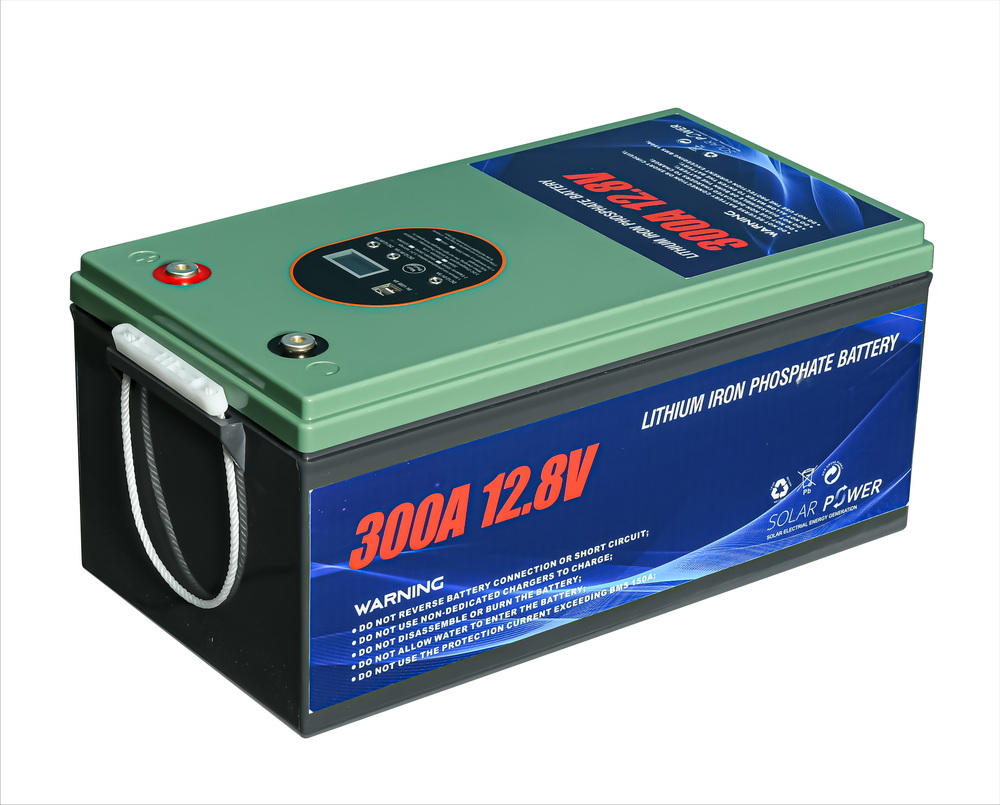

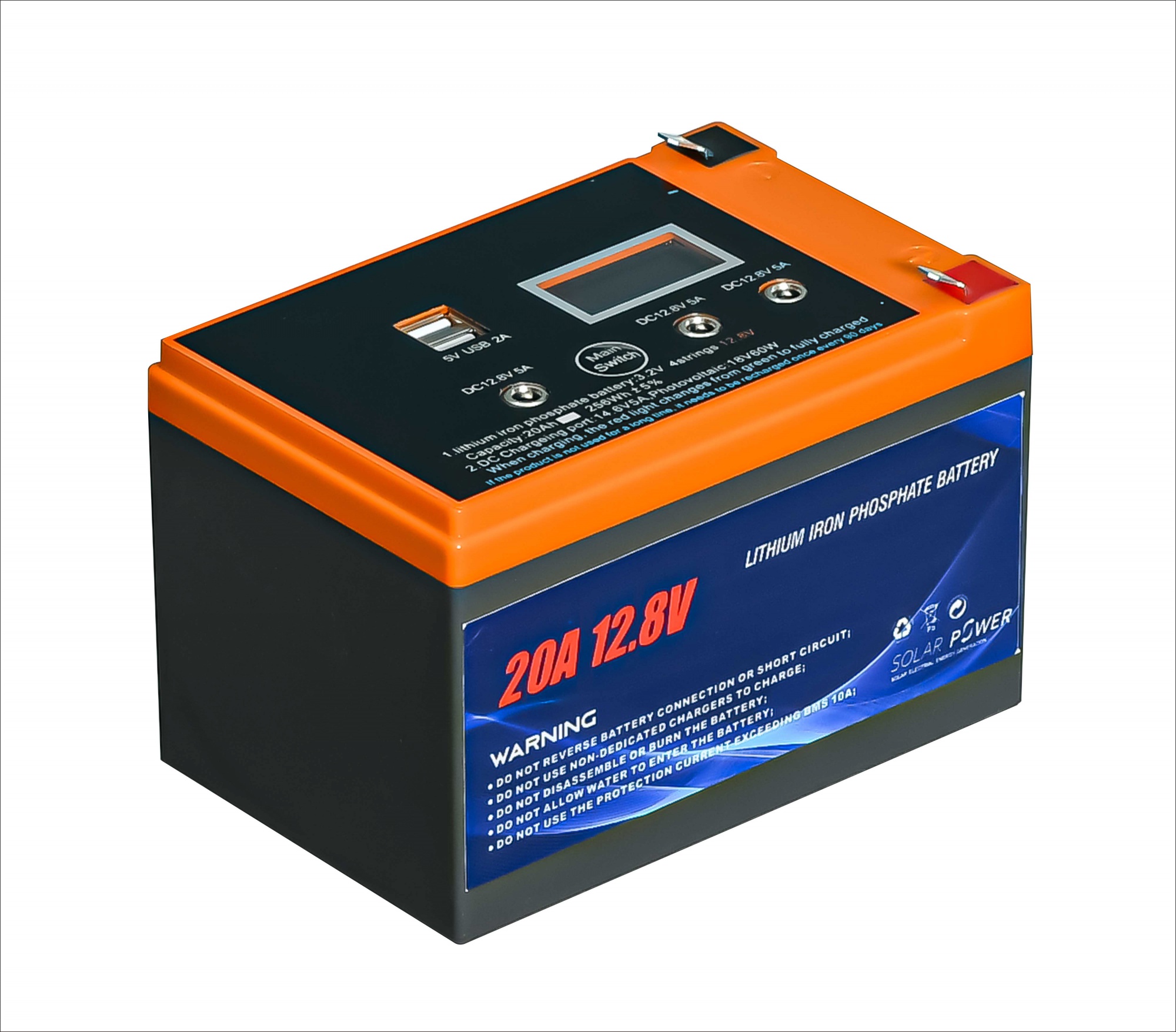
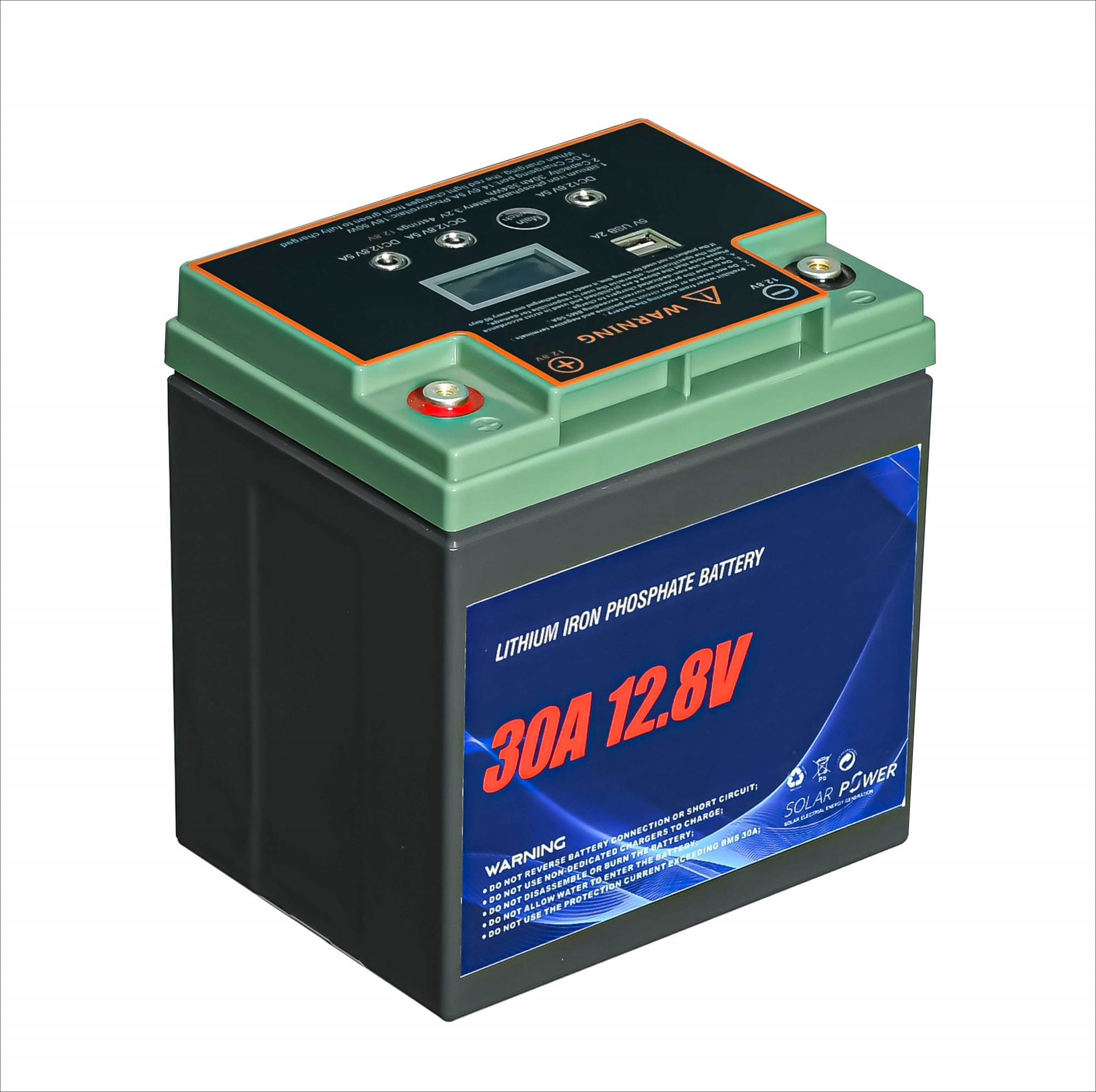
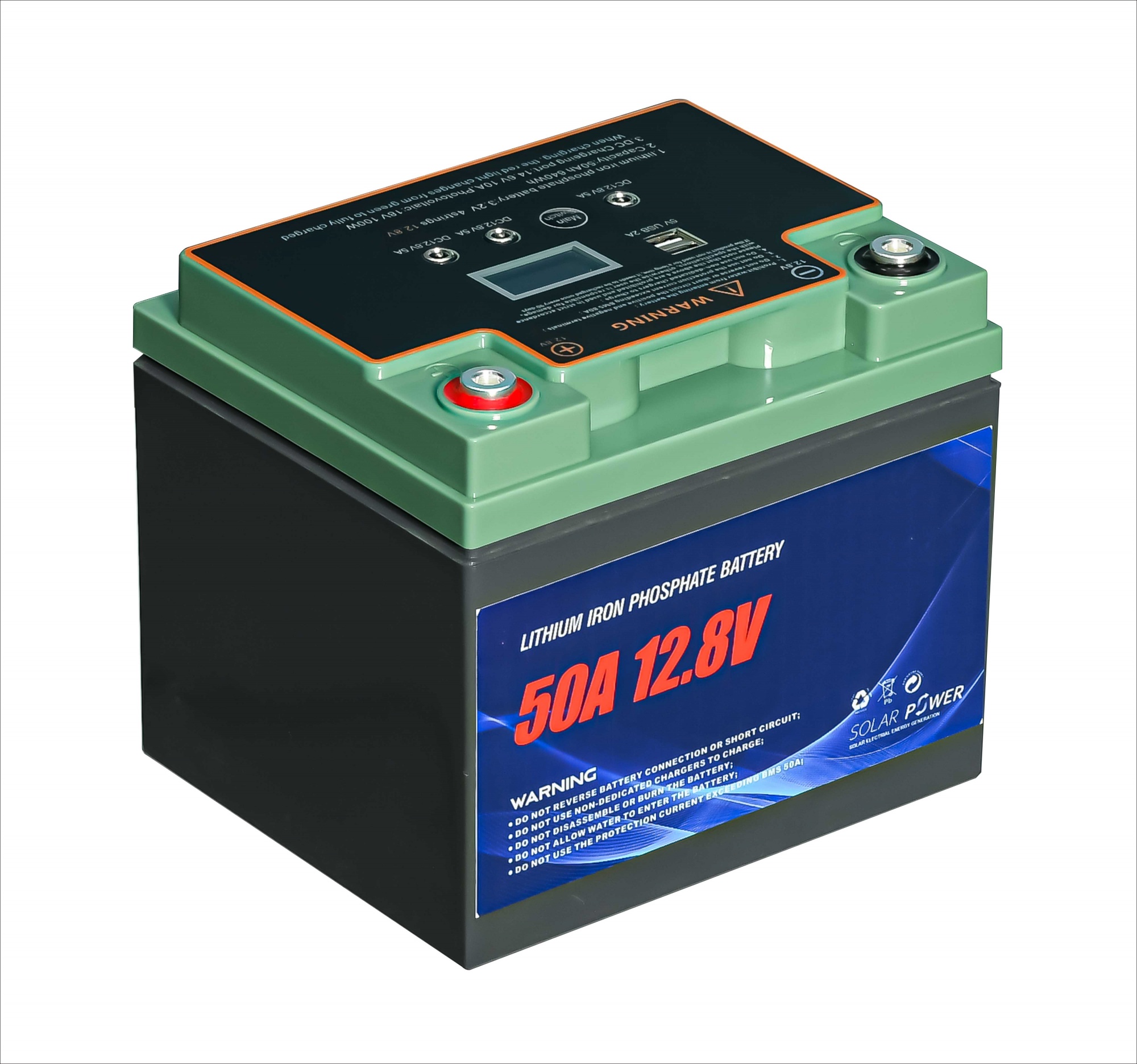


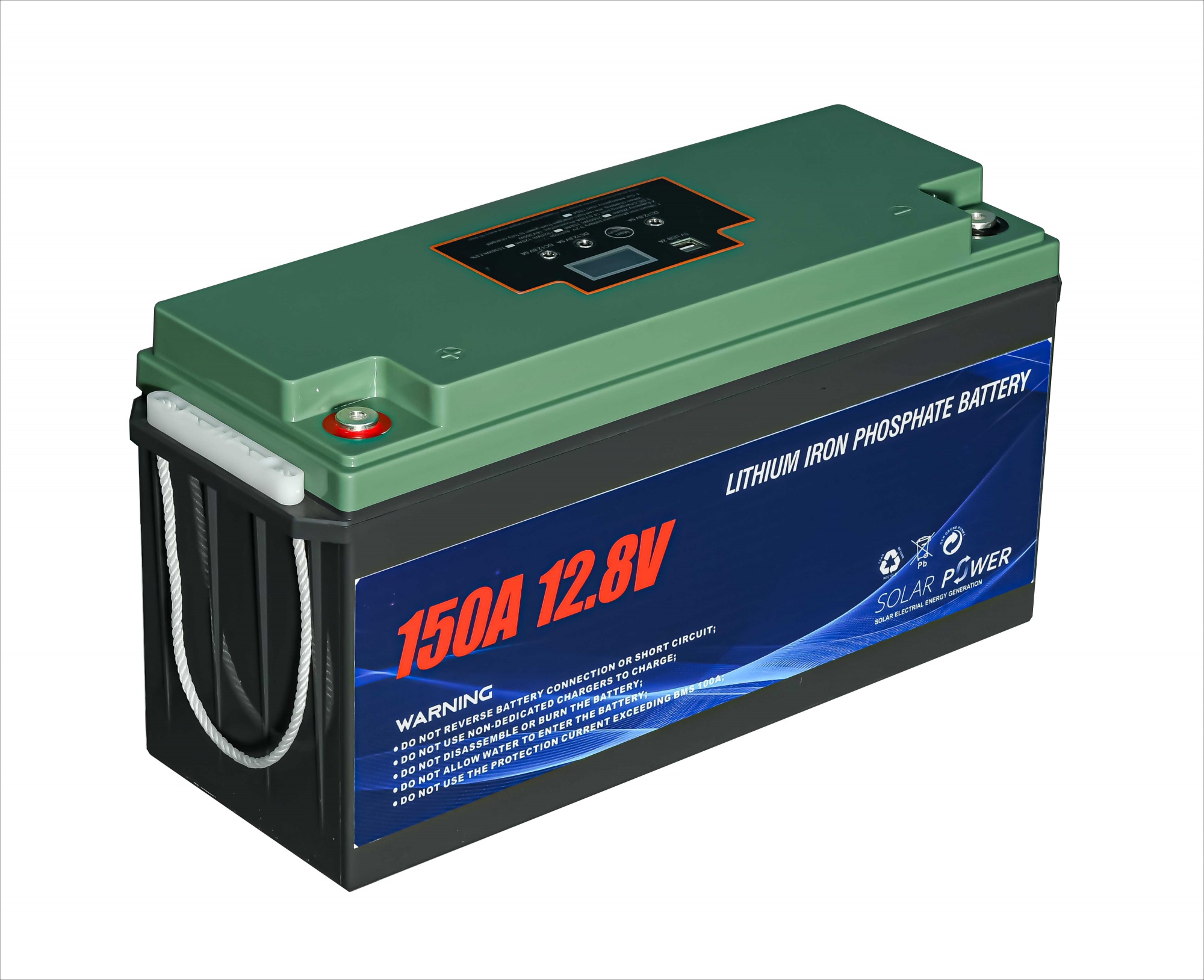
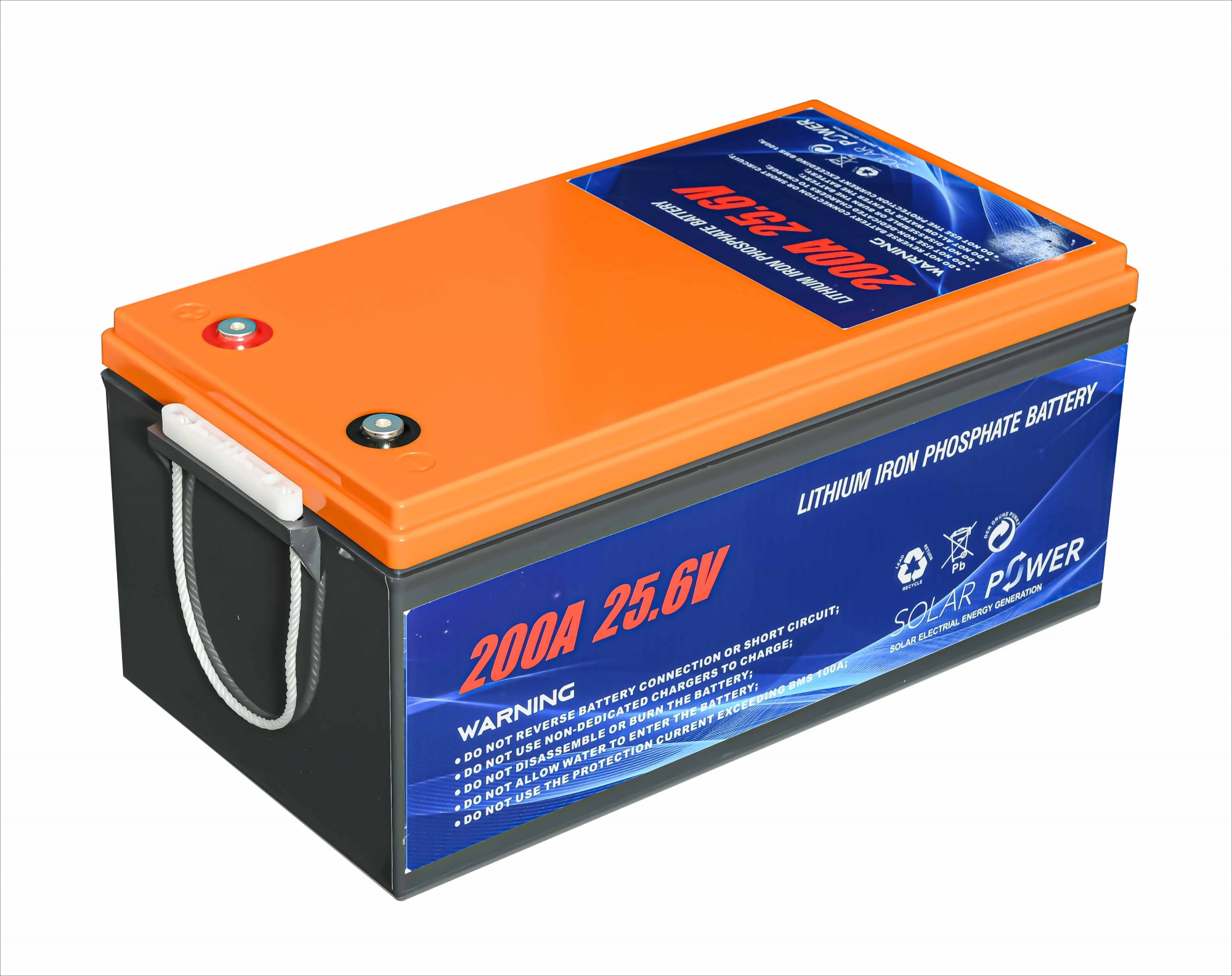
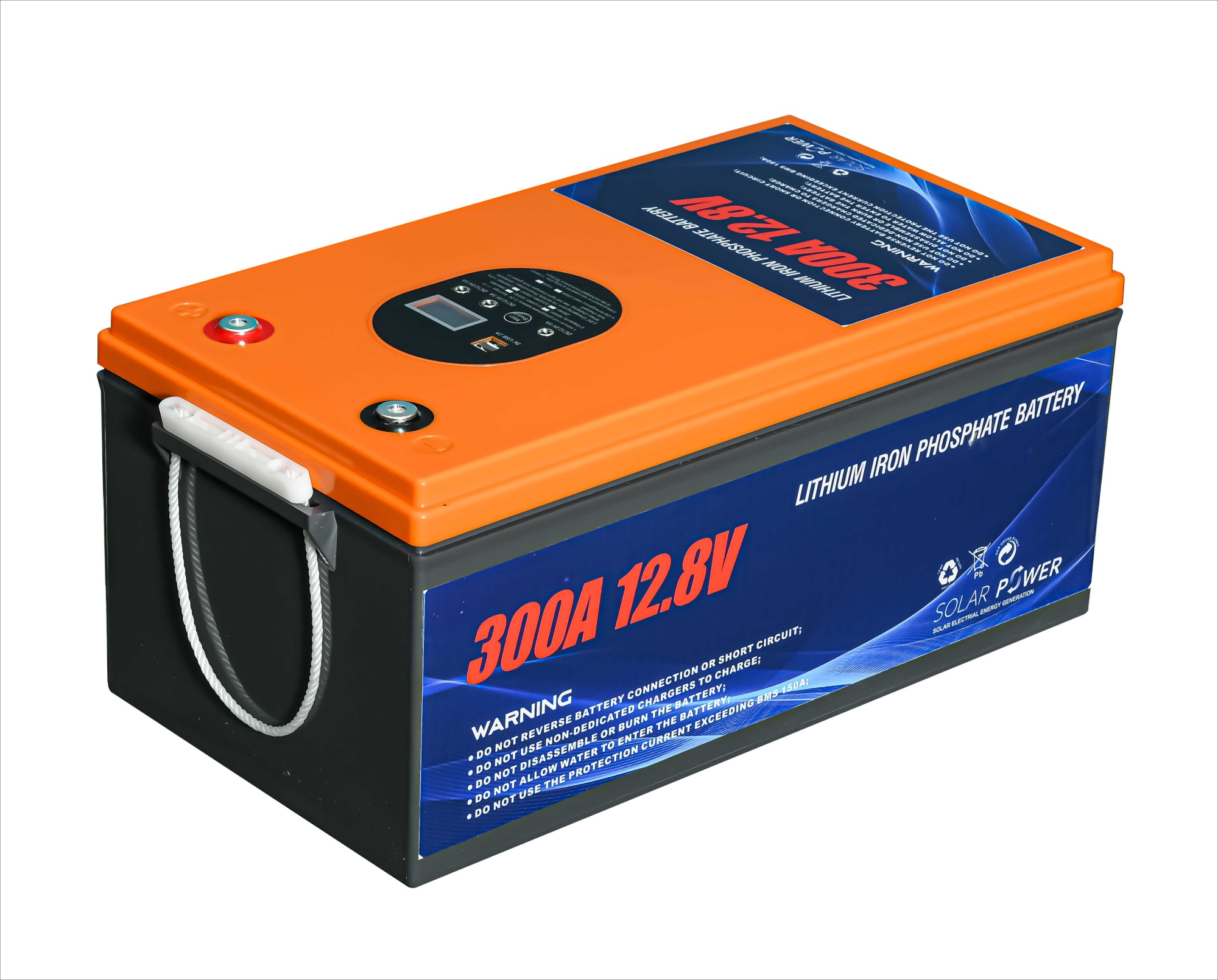
12.8V/25.6V LiFePO4 Lithium Battery | Lead-Acid Battery Substitute
Solar Battery1. Ultra-Fast Charging & High Power Output
2. Exceptional Cycle Life
3. Wide Temperature Resilience
4. Inherent Safety Design
5. Robust Construction
6. Eco-Friendly Chemistry
7. Lower Lifetime Cost
8. Compact & Lightweight
9. Smart Connectivity
Solar Battery
Compared with traditional lead-acid batteries, MUJICA 12.8V/25.6V LiFePO4 lithium battery have higher energy density and longer cycle life. Adopting high-performance processor and international brand devices, the minimum rated capacity is up to 15AH, supporting up to 4 batteries / 8 batteries in series, which is widely applicable to home solar system solutions.
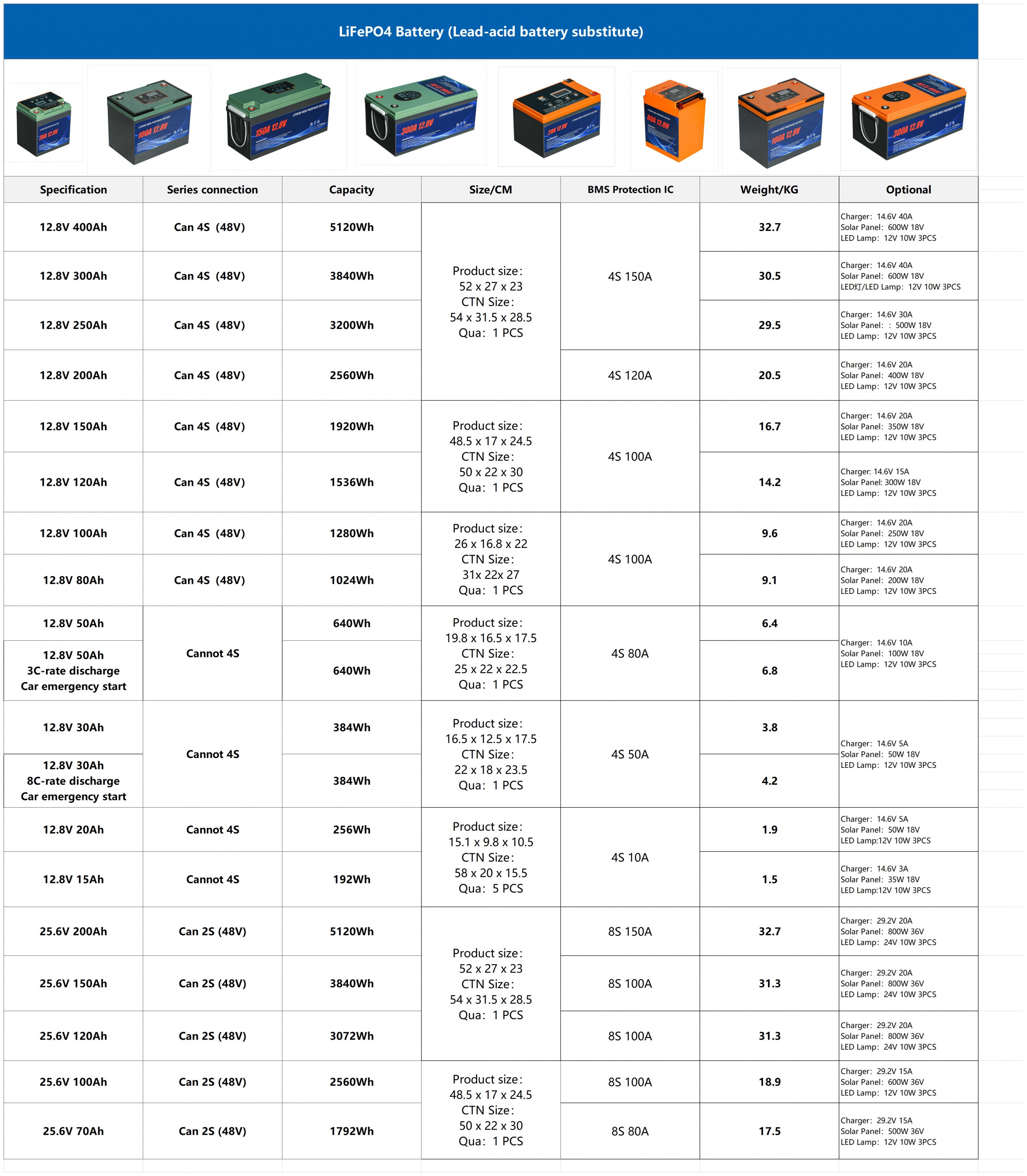
- Parameters
Compared with traditional lead-acid batteries, MUJICA 12.8V/25.6V LiFePO4 lithium battery have higher energy density and longer cycle life. Adopting high-performance processor and international brand devices, the minimum rated capacity is up to 15AH, supporting up to 4 batteries / 8 batteries in series, which is widely applicable to home solar system solutions.
12.8V/25.6V LiFePO4 Lithium Battery Parameter
Solar Battery Energy Storage Solutions
What Should You Know Before Purchasing Solar Battery Storage?
Solar lithium batteries play a critical role in renewable energy systems. In building-integrated or commercial solar applications, grid-tied photovoltaic systems often exhibit limited effectiveness on overcast days due to insufficient solar irradiance. Under such circumstances, the deployment of lithium-based energy storage solutions becomes essential.
Solar battery storage technology represents an advanced engineering solution specifically developed to address the energy storage limitations inherent in solar power systems. By capturing and storing surplus electricity generated by photovoltaic panels during daylight hours, this technology facilitates uninterrupted delivery of clean energy. The stored electrical energy can be utilized during nighttime operation, periods of peak demand, or various residential and commercial power consumption scenarios, while also serving as a reliable backup power supply during grid failures.
Three Commonly Used Solar Battery Technologies: A Comparative Analysis and the Advantages of LiFePO4 as an Optimal Energy Storage Solution
The three most widely adopted solar battery technologies include lead-acid batteries, lithium-ion batteries, and lithium iron phosphate (LiFePO4) batteries.
Among these, lithium iron phosphate batteries have gained significant popularity in recent years. Unlike traditional lead-acid batteries, which suffer from memory effects and limited cycle life, LiFePO4 batteries retain up to 85% of their original capacity after more than 1,600 charge-discharge cycles. Compared with conventional lead-acid batteries, LiFePO4 batteries offer distinct advantages such as reduced weight, higher energy capacity, and significantly extended service life.
• LiFePO4 batteries feature a compact and lightweight design, which facilitates ease of installation and handling;
• They support rapid charging and discharging, with a maximum charging current capacity of up to 200A;
• These batteries offer high power density while maintaining a small and lightweight structure;
• LiFePO4 batteries exhibit an extended service life and do not require regular maintenance;
• Compared to lead-acid batteries, LiFePO4 batteries are significantly less polluting and considered environmentally friendly.
Features of 12.8V/25.6V LiFePO4 Lithium Battery
The 12.8V/25.6V LiFePO4 Lithium Battery uses lithium iron phosphate as the cathode material, which is chemically very stable and highly safe. Its lifespan is 8 years, and it can complete 2000 charge-discharge cycles, easily outperforming others in the same industry.

12V/24V LiFePO4 Lithium Battery Advantages
Smart BMS Protect Battery
Do you think it only has Grade-A cells? No, we have also embedded a smart BMS inside the battery to protect against dangers such as short-circuiting, also helping to extend the lifespan.

12.8V Lithium Iron Phosphate battery BMS
Why Lithium Iron Phosphate Battery? Lithium Iron Phosphate VS. Lead Acid
The 12.8V/25.6V LiFePO4 Lithium Battery has now become a perfect substitute for the flooded lead-acid, GEL, and AGM batteries. Although lead-acid batteries cost less, their performance, lifespan, and maintenance costs are all inferior to lithium batteries. If you are considering replacing your battery, a 12.8V/25.6V lithium deep cycle battery is a good choice.

Lead-acid Battery vs Lithium Iron Phosphate Battery
3 Charging Methods For 12.8V/25.6V LiFePO4 Lithium Battery

12.8V/25.6V LiFePO4 Lithium Battery Charging Methods
Applications of 12.8V/25.6V LiFePO4 Lithium Battery
Many times in our daily lives, we can make use of 12.8V/25.6V LiFePO4 Lithium Battery, which have brought us much convenience with their presence. If you are fond of camping, outdoor travels, and similar activities, then you know that a portable power source is essential. As a portable power supply, 12.8V/25.6V lithium batteries have extremely wide applications: they can serve as a backup power source at home, as the main energy source for RVs, and also provide charging for mobile devices, electric vehicles, and power tools.

12.8V/25.6V LiFePO4 Lithium Battery Application
There’s no need to worry about insufficient battery power. To achieve a higher voltage, you can connect the batteries in series. If you’re looking to increase capacity, you can switch the connection to parallel. Currently, MUJICA batteries support a maximum of 4 batteries in series to reach 48 volts. There are not many restrictions on the number of batteries in parallel. If you have ideas but are uncertain, feel free to consult us.

12.8V/25.6V LiFePO4 Lithium Battery Series
Conclusion
Whether LiFePO4 is the best battery for storing solar energy depends on your purchasing needs and application scenarios. When choosing a solar battery, it is important to consider the needs and application scenarios of the solar battery application.
Previous : 48V Mobile LiFePO4 Lithium Solar Battery (100~300Ah)
Next : 51.2V Wall-Mount Energy Storage Solar Battery


 Copy product links
 Long by picture save/share
INQUIRY


Add Successfully
INQUIRY
Add Successfully
 Website: www.mujicatech.com
 E-mail: sales@mujicatech.com
 Address: Room 730, Shenzhou Computer Building, JuLiFuRen Blvd, BanTian, Longgang District, Shenzhen City, Guangdong Province.
广东省深圳市龙岗区坂田街道居里夫人大道神舟电脑大厦730室




Follow Us
Copyright ©2025 SHENZHEN MUJICA TECHNOLOGY CO.LTDPowered by: WZTX | Login | website map


