

Off-grid energy storage VS. Hybrid energy storage
Author:Shenzhen Mujica Technology Co.,ltd
Click:
Time:2025-07-25 10:55:28
Against the backdrop of the vigorous development of renewable energy, energy storage inverters, as key components connecting renewable energy systems with the power grid or loads, play a crucial role. Among them, off-grid energy storage inverters and hybrid energy storage inverters have become two types that attract widespread attention due to their unique working methods and application scenarios. This article will briefly introduce the basic principles of these two types of inverters and focus on elaborating the main differences between them.
Functional features
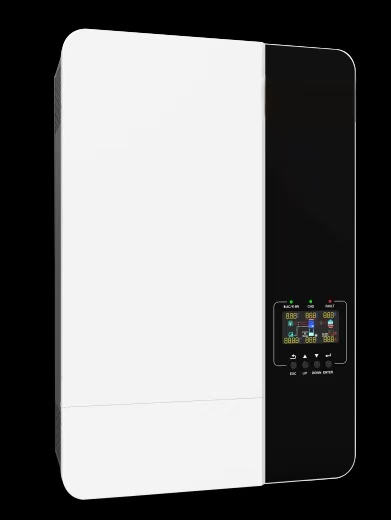
Off-grid energy storage
1.The main function is to convert the direct current generated by the solar panels into alternating current for the load to use.
2. It is usually equipped with energy storage batteries to store excess electrical energy and release it when needed.
3. It operates independently and does not rely on the power grid, making it suitable for remote areas or those without power grid access.
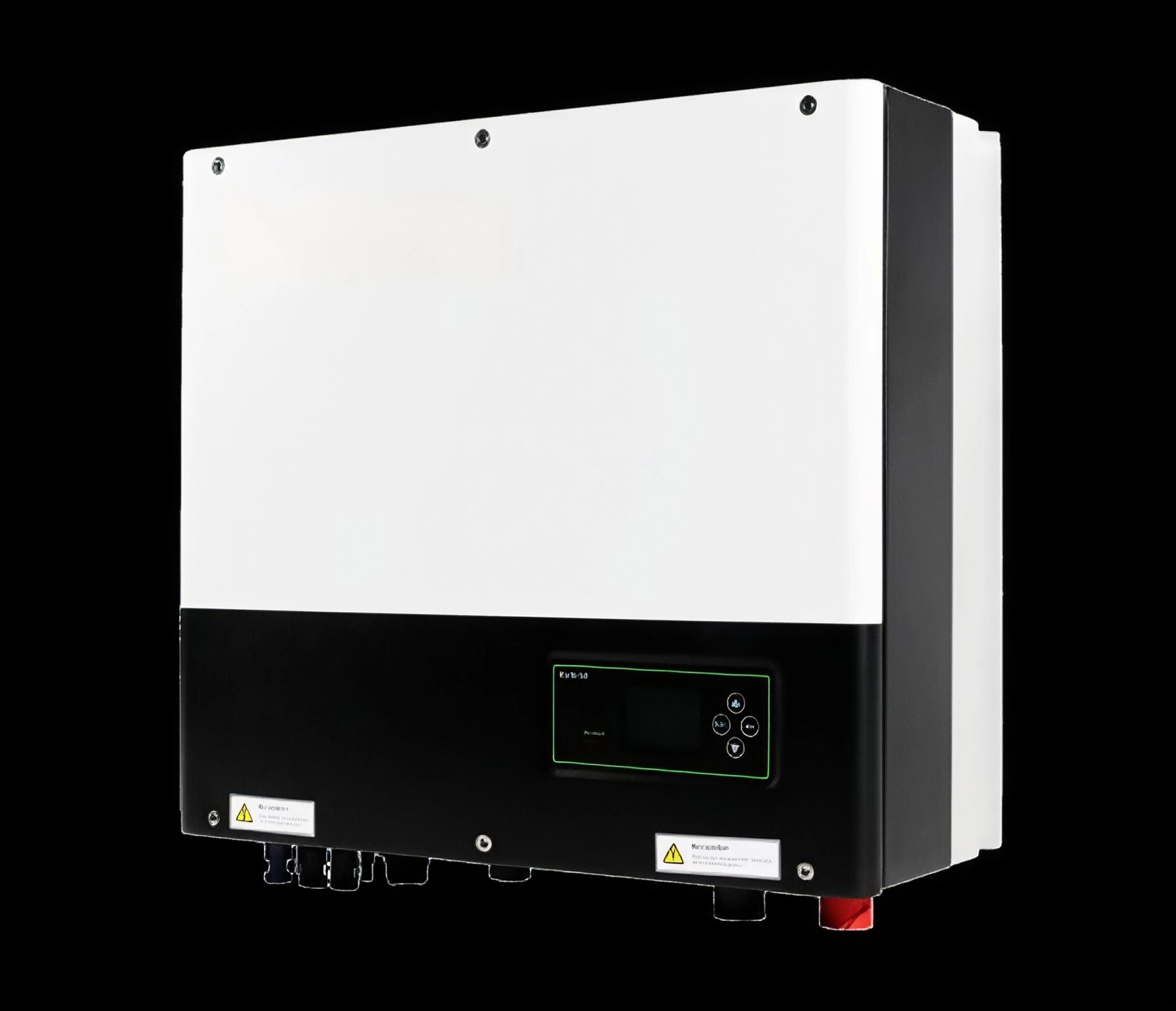
Hybrid energy storage
1.It has both off-grid and grid-connected functions. It can not only convert the direct current generated by solar panels into alternating current for load use, but also be connected to the power grid to achieve bidirectional power flow.
2. When the power supply from the power grid is normal, electricity can be obtained from the power grid to supplement the insufficiency of solar power generation. When there is a power outage in the power grid, it can be switched to off-grid mode to provide power for the load.
3. It features highly efficient inverter capacity and intelligent charging function, capable of automatically adjusting charging parameters based on battery status to extend battery life.
Application scenarios
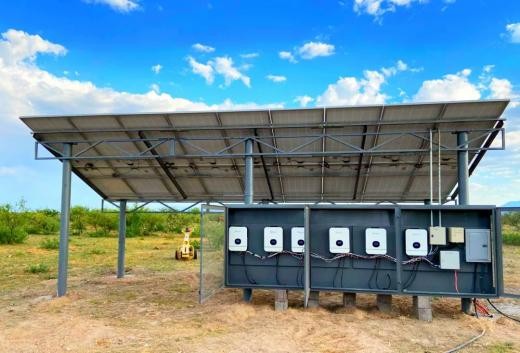
Off-grid energy storage
1.It is mainly applied in remote mountainous areas, deserts, islands and other regions without power grid access or with unstable power grids.
2. It is suitable for households, small business projects or occasions that require independent power supply.
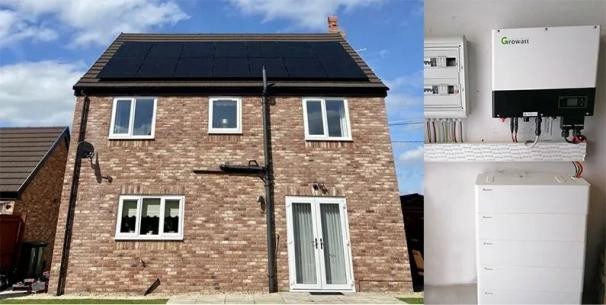
Hybrid energy storage
1.It is applicable to situations where there is a power grid connection and one hopes to use solar power generation to reduce electricity bills or achieve energy self-sufficiency.
2. It is applicable to various occasions such as families, enterprises, and public facilities, especially in areas where power supply from the grid is unstable or where there is a desire to improve energy utilization efficiency.
The differences between off-grid type and mixed-grid type
Different working methods
Off-grid energy storage:
When there is excess power in the power grid or photovoltaic power generation, the electrical energy is stored in battery packs. When electricity is needed, convert the direct current in the battery to alternating current for power supply.
Hybrid energy storage:
It can automatically switch between grid-connected and off-grid modes according to the grid status. In grid-connected mode, the surplus electricity from renewable energy is fed into the power grid. In off-grid mode, it is powered by the electrical energy in the battery pack.
The application scopes are different:
Off-grid energy storage:
It is suitable for remote areas, islands, nomadic regions and other environments without power grids or with unstable power supply.
Hybrid energy storage:
It is suitable for large-scale renewable energy power stations, microgrids and other occasions that need to meet both grid-connected and off-grid requirements simultaneously.
Degree of complexity
Off-grid energy storage: The system is relatively simple and mainly focuses on self-sufficiency.
Hybrid energy storage: The system is more complex, featuring more functions and more sophisticated control strategies, and can better adapt to various complex power environments.
Price and Lifespan
Due to the higher complexity of hybrid energy storage inverters, their costs are usually higher than those of off-grid energy storage inverters. Correspondingly, they also have higher energy utilization efficiency and system stability.
To sum up, off-grid energy storage inverters and hybrid energy storage inverters each have their own advantages and applicable scenarios. When making a choice, users should take into comprehensive consideration factors such as actual needs, cost budgets, and application scenarios.
 Website: www.mujicatech.com
 E-mail: sales@mujicatech.com
 Address: Room 730, Shenzhou Computer Building, JuLiFuRen Blvd, BanTian, Longgang District, Shenzhen City, Guangdong Province.
广东省深圳市龙岗区坂田街道居里夫人大道神舟电脑大厦730室




Follow Us
Copyright ©2025 SHENZHEN MUJICA TECHNOLOGY CO.LTDPowered by: WZTX | Login | website map


